The complete guide
Automatic or manual? How to use cry-detection sound machines well
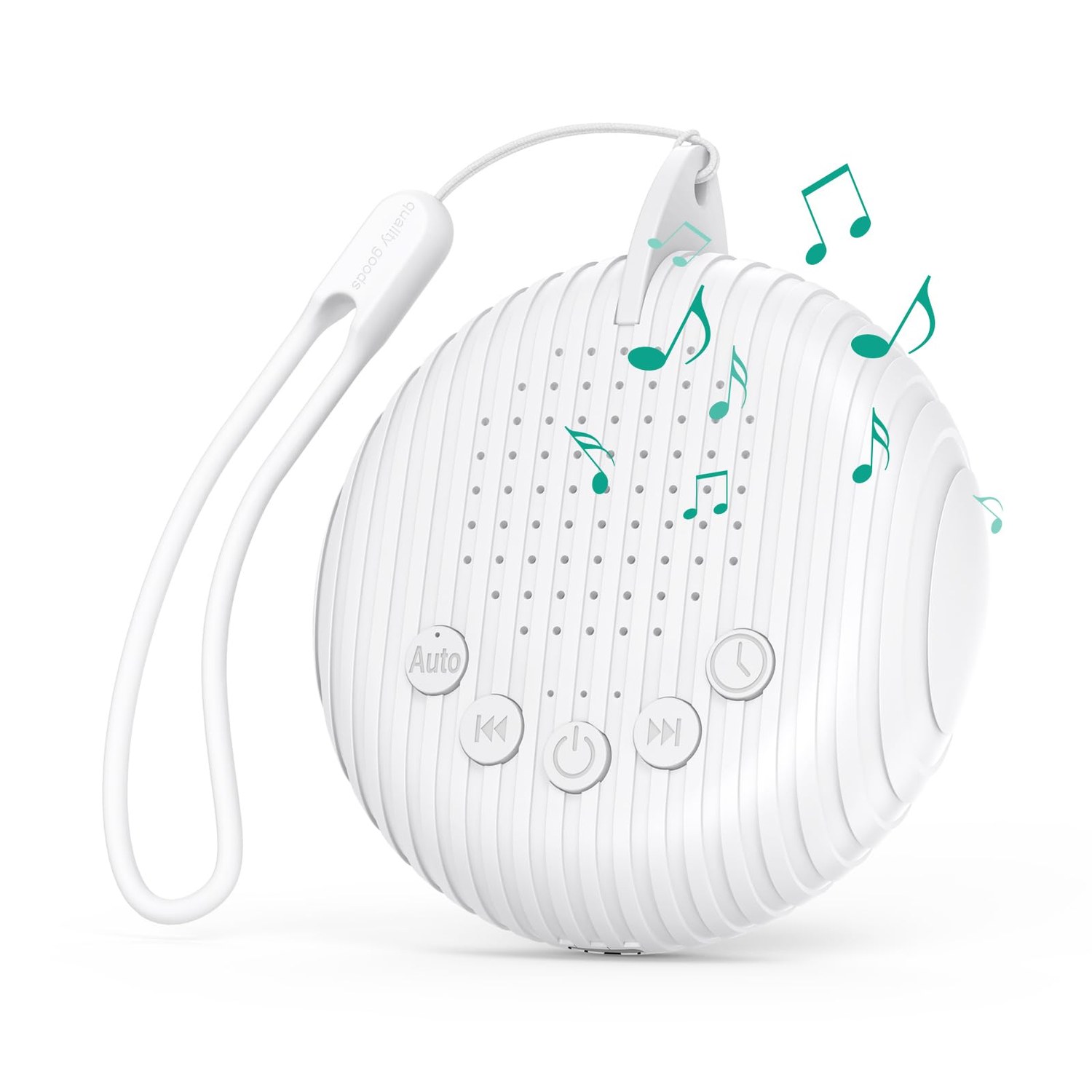
A sound machine that can listen as well as play sounds like a small thing, but it changes how you actually use it night to night. Here's how to get the most out of cry-detection mode without leaning on it for everything.
What automatic mode is actually good for
Cry detection earns its keep during the transitional moments: the gap between putting your baby down and them properly settling, or the early hours when you might drift off yourself before they do. In these situations, a machine that starts itself the moment crying begins, rather than several minutes later when someone finally notices, can be the difference between a quick self-settle and a fully awake baby.
Where manual mode still wins
Automatic detection isn't meant to replace judgement entirely. In a noisy household, near a TV, or in a room shared with an older sibling who talks in their sleep, a sensor can be triggered by sounds that aren't actually distress. If false triggers become annoying, switching to manual control with the same long press gives you a completely standard sound machine, with the same 10 sounds and volume control, just without the automatic behaviour.
Getting the detection distance right
The sensor is rated for roughly 6 to 10 metres, which comfortably covers most nursery layouts, but placement still matters. A machine tucked into a corner behind furniture, or on the far side of a large room, may pick up sound less reliably than one with a relatively clear line to the cot. If you notice it's slow to respond, try moving it a little closer before assuming the feature isn't working.
A sensible way to use both modes
Many parents find a hybrid approach works best: manual mode for the deliberate wind-down at bedtime, when you're choosing the sound and setting the volume yourself, then switching to automatic for the overnight stretch when you won't be in the room to notice the first stir. It's a small habit that uses the sensor for what it's actually good at, rather than trying to make it do everything.